
Common Mistakes When Evaluating Trampoline Product Specs
The guide covers the mistakes buyers make when they compare product specifications without separating engineering details from commercial decision points.
By Rocheyard B2B Sourcing Desk · Last updated April 28, 2026
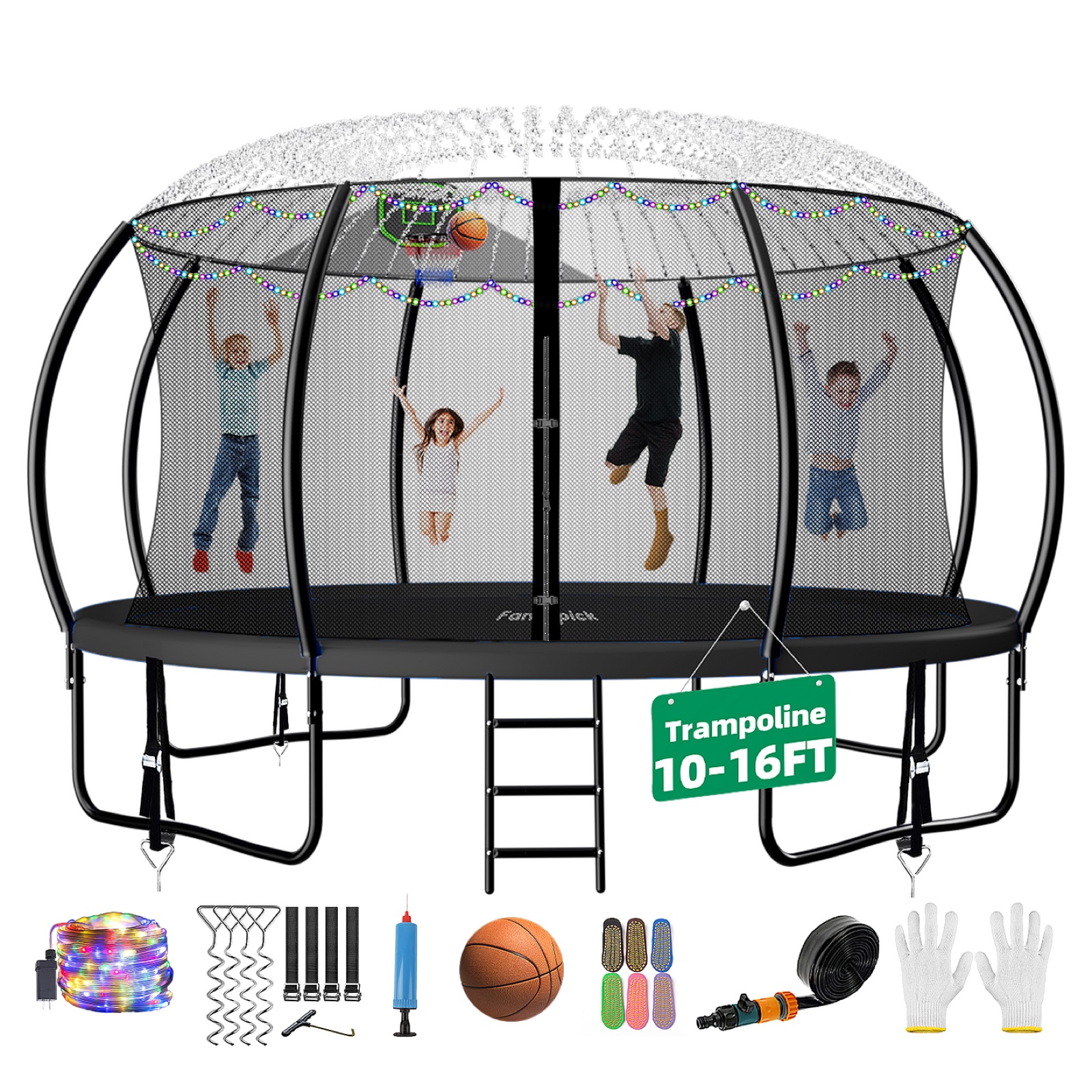
Mistake one: treating every detail like a retail spec table
Not every useful buying question belongs in a one-line public spec table. Some details are fixed engineering points, while others depend on the program, accessory mix, or destination. Problems happen when buyers ask for a “complete spec list” but have not yet decided what category or program they are actually building.
Mistake two: comparing models without category context
A 14ft round family model and a 14ft rectangle premium model may share a number in the title but serve different buying roles. Specifications must be read with category purpose in mind.
Mistake three: ignoring support and logistics
Specifications are not only about the frame; they also affect compatibility, replacement-parts planning, packaging, and how easy the program is to support later.
FAQ
What is the fastest way to compare specs correctly?
Compare products inside the right category first, then begin the detail level that affects the buying decision.
Should buyers compare by size number only?
No. Size number alone hides category, use-case, and support differences.
Need help applying this to your buying plan?
Use the quote page when you want help turning this guidance into a real product shortlist or order discussion.