
Product Specifications Guide
The guide covers the product details Rocheyard expects serious buyers to compare when they move from broad category interest into real model review. Use it to understand which specifications matter, which are commercial rather than engineering details, and which questions belong in the quote stage.
By Rocheyard B2B Sourcing Desk · Last updated April 28, 2026
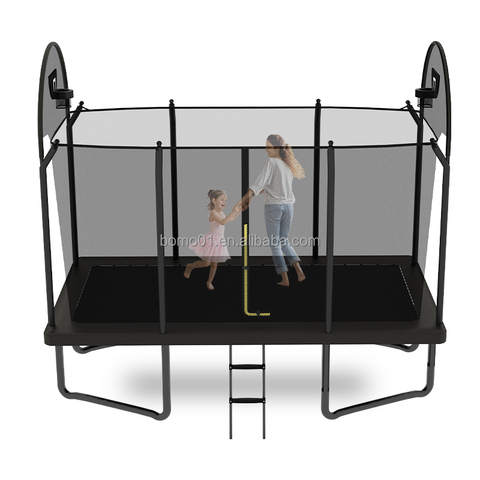
The specification categories that matter most
Buyers should separate three kinds of information: engineering details, included-component details, and commercial details. Engineering details describe the model itself. Included-component details explain what is actually in the carton or kit. Commercial details cover MOQ, timing, packaging, and logistics. Problems usually happen when these three are mixed together and discussed vaguely.
A practical starting point is size, shape, intended user group, enclosure style, and whether the model is mainstream, premium, kids-focused, or exercise-oriented. Then begin the details that affect category fit: whether the trampoline is above-ground or inground, whether an enclosure is standard, and whether the model is likely to be sold as an entry line or step-up line.
Why buyers should ask better specification questions
A useful specification discussion is not just “What is the steel thickness?” It is “Which specification points actually change the buyer outcome?” In practice, buyers often need to know whether the model fits a mainstream family-use program, whether the parts and accessories are straightforward to support, whether the packaging direction is stable, and whether the model belongs in a broad retailer assortment or a more differentiated online catalog.
This is why Rocheyard encourages buyers to send the exact products they are comparing. A better quote request produces a better answer than a generic “send specs” message.
For safety context, buyers should also review the applicable ASTM standard body and the US CPSC guidance relevant to trampoline product categories.
What belongs in quote review
Quote review is the right place for MOQ, lead-time expectations, destination packing, commercial scope, and whether private-label or parts support should be included. It is also the right place to confirm final configuration details if a program depends on a particular accessory mix or packaging format.
In most cases, using the site to narrow product fit first, then using the quote route to confirm the parts of the offer that depend on program scope and destination.
FAQ
What is the biggest specification mistake buyers make?
Mixing engineering details, included-component details, and commercial details into one vague request.
Should MOQ be treated as a product specification?
No. MOQ is a commercial discussion point, not a core engineering specification.
When should I ask about packaging and carton details?
At the quote stage, once the product shortlist and destination are clear enough to review them usefully.
Need help applying this to your buying plan?
Use the quote page when you want help turning this guidance into a real product shortlist or order discussion.